 The Greatest Challenge Facing Mankind: Remarks to the Commonwealth Club by Michael Crichton San Francisco, September 15, 2003...
Read More
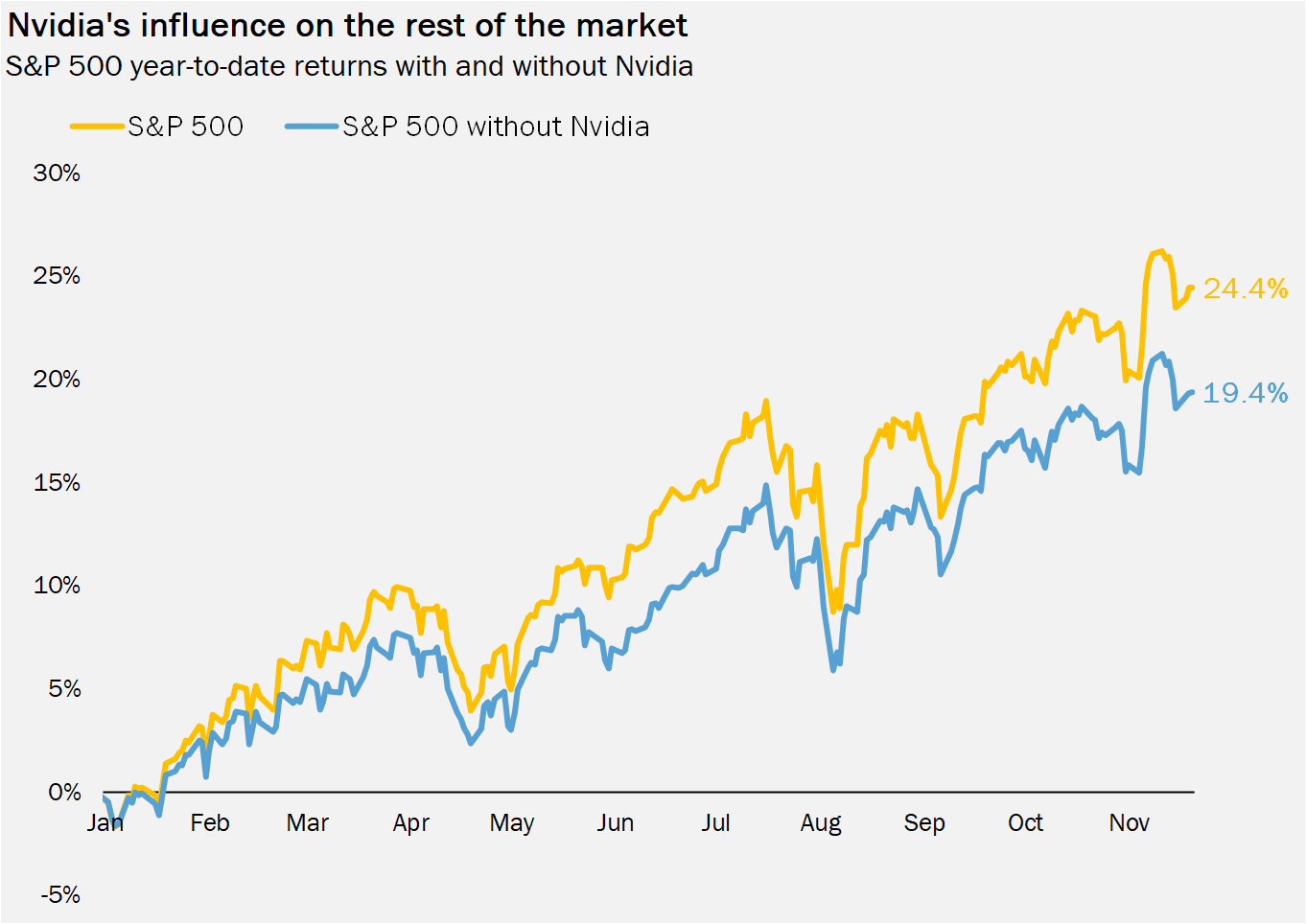 Callie Cox is the Chief Market Strategist at RWM. She regularly posts at Optimistic Callie. (Subscribe, its great...
Read More
 Jonathan V. Last is the editor of The Bulwark, and previously was senior writer and digital editor at The Weekly Standard...
Read More
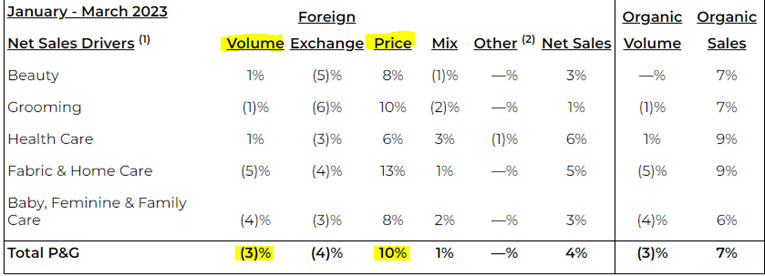 My fishing pal Sam Rines has spent much of this year pushing a thesis of “Price over Volume”; I found it a compelling...
Read More
 Elon’s Out Musk lost interest in pretending to buy Twitter. Bloomberg, July 9, 2022 I have occasionally spotlighted the...
Read More
 My guest this coming week on Masters in Business is William Bernstein, someone whose work I have long admired. Our...
Read More
 Philippa Dunne is one of the editors of The Liscio Report, an independent research newsletter focusing on the U.S. labor market,...
Read More
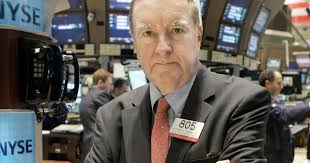 Art Cashin is Director of Floor Operations for UBS, where he also serves as a managing director of UBS Financial Services Inc. He...
Read More
 They’re All Friends in the Index Matt Levine Bloomberg, July 20, 2020 Matt Levine is a Bloomberg Opinion columnist covering...
Read More
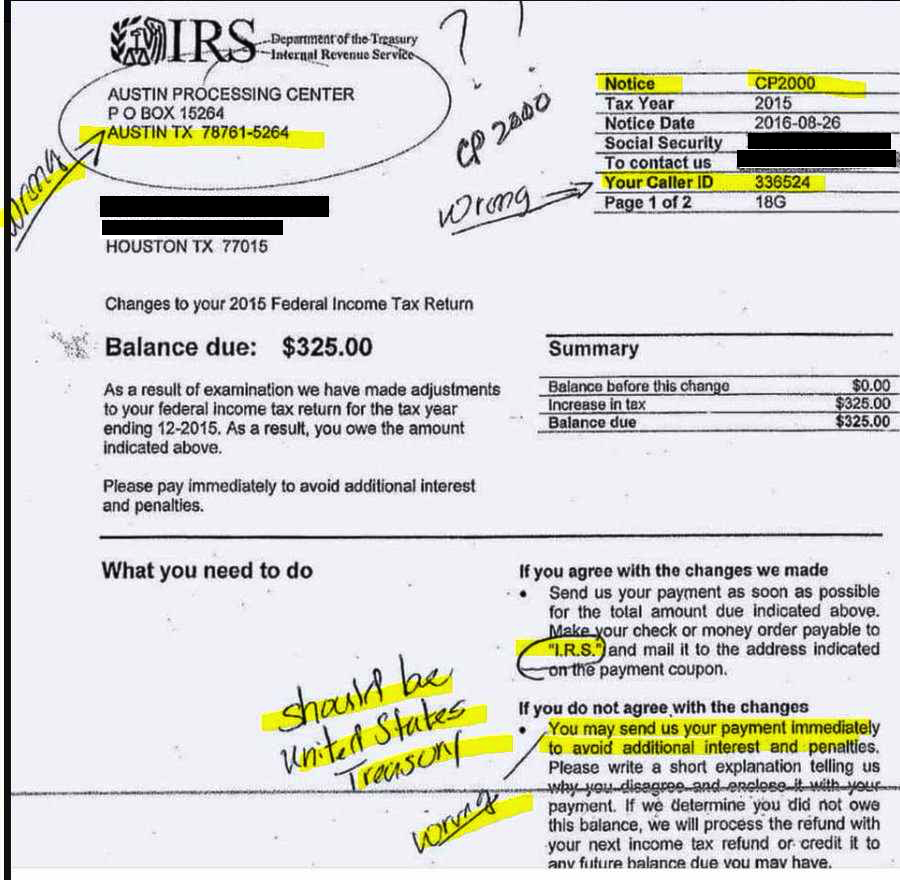 Before we get into the specifics of this fraud, some reminders: (1) The IRS will never call you to initiate an...
Read More
